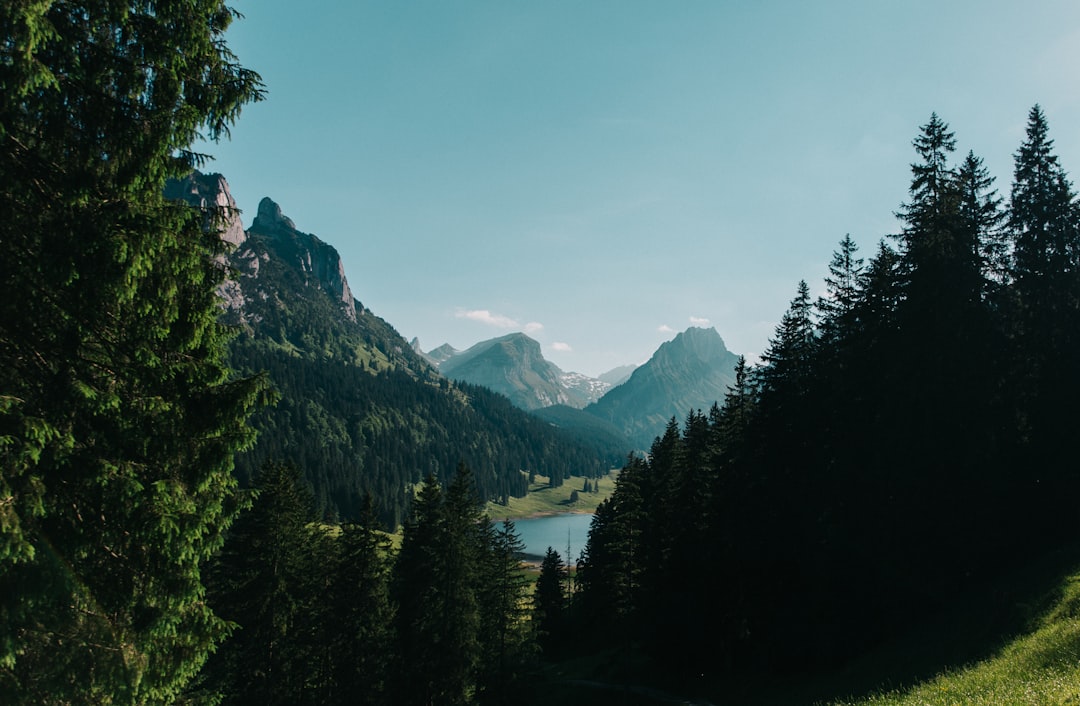


In a world where Instagram feeds are flooded with dreamy travel destinations, it might seem like jet-setting around the globe requires a trust fund. But, fear not, fellow wanderlusts! Traveling on a budget is not only possible but can be equally, if not more, rewarding. Let’s dive into the art of exploring the world without burning a hole in your pocket. Firstly, embrace the concept of slow travel. Rather than ticking off multiple destinations in one go, immerse yourself in a single place. This approach saves money on transportation and gives you a deeper cultural experience. For instance, instead of visiting five European cities in ten days, settle into one town and live like a local. Accommodation is a major chunk of any travel budget, but there are numerous alternatives to pricey hotels. Consider hostels, which offer not only budget-friendly beds but also the chance to meet like-minded travelers. If privacy is a concern, look into Airbnb options or even house-sitting gigs where you can stay for free in exchange for looking after someone’s home. Transportation doesn’t have to be a budget-buster either. Look out for budget airlines and always compare prices across different platforms. For those longer distances, night buses and trains are your friends, saving you a night’s accommodation cost. Within cities, public transport or simply walking can be your best bet for both the wallet and the waistline. Eating like a local is another secret to budget travel. Skip the tourist traps and seek out street food stalls and local eateries. Not only will this save money, but it also gives you a true taste of the local culture. For those with culinary skills, consider staying at places with kitchen access, so you can cook your own meals using local ingredients. When it comes to activities, many destinations offer free walking tours, and some museums have free entry days. Nature is another generous provider of cost-free enjoyment, so hiking, swimming, or just strolling through a city’s public parks can be immensely rewarding. Finally, the golden rule of budget travel is flexibility. By staying open to different dates, destinations, and modes of transport, you can snag last-minute deals and discounts that would otherwise slip through the cracks. Traveling doesn’t have to be an expensive luxury. With a little planning, creativity, and an open mind, the world is yours to explore without financial strain. Remember, it’s not about the money spent but the experiences gained and memories created.
Discovering Hidden Gems: A Journey Off the Beaten Path
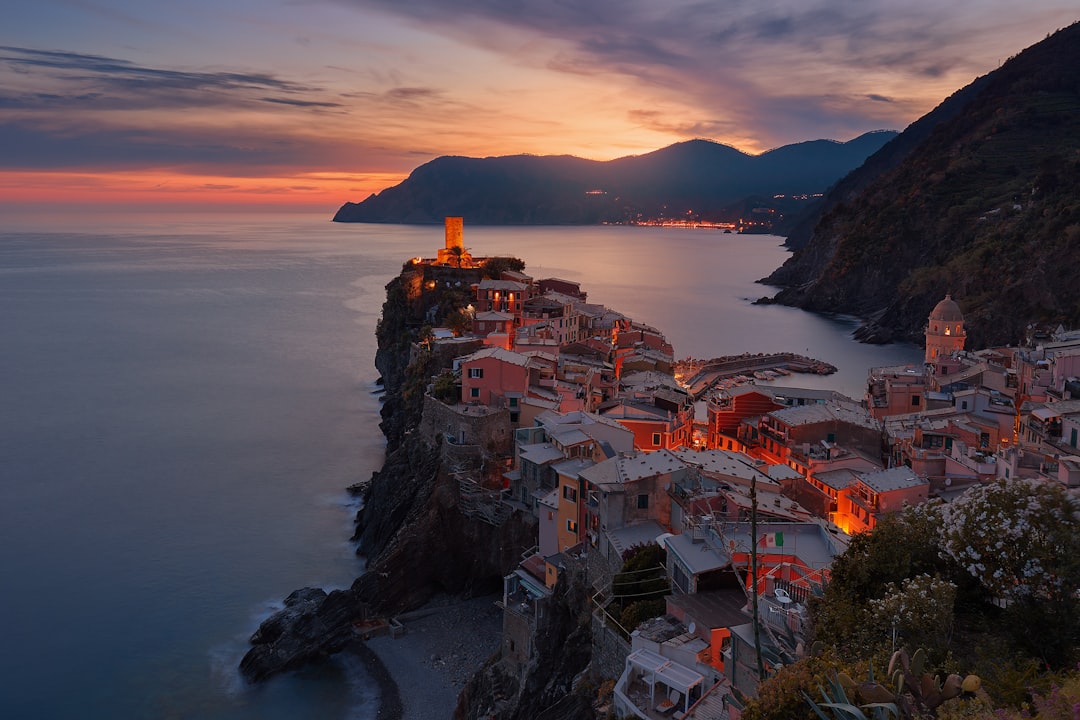
In the realm of travel, there’s a unique allure to stepping off the well-trodden path. While iconic landmarks and famous destinations hold their own charm, there’s something undeniably captivating about discovering hidden gems that are often overlooked by the masses. These are the places where the essence of adventure truly comes alive, where the stories of locals are waiting to be heard, and where the culture can be experienced in its most authentic form. Imagine winding through narrow cobblestone streets in a small European village, the kind that isn’t marked on every tourist map. As you explore, you stumble upon a quaint café where the aroma of freshly baked pastries beckons you inside. Here, you find yourself immersed in conversations with the locals, sharing stories over a steaming cup of espresso. These interactions provide a deeper understanding of the culture and offer a perspective that guidebooks often fail to capture. Venturing off the beaten path doesn’t always require a hefty budget or elaborate planning. In fact, it can be a refreshing reminder that some of the best travel experiences are those that are spontaneous and unplanned. A train ride through the countryside might lead you to a picturesque village where time seems to stand still. A walk along an unfamiliar trail could reveal breathtaking vistas that remain unseen by the majority of tourists. For those who seek a more immersive experience, staying in locally owned accommodations rather than big chain hotels can make all the difference. Not only does it support the local economy, but it also provides a unique opportunity to connect with the culture on a personal level. Hosts are often eager to share insider tips and recommend places that are cherished by residents but might not be listed in popular travel guides. Moreover, choosing eco-friendly travel options can enhance your journey. Opt for bicycles to explore cities at your own pace or take part in walking tours led by local guides who have an intimate knowledge of the area. These sustainable choices allow you to engage with your surroundings more thoughtfully, leaving a positive impact on the environment and the communities you visit. The beauty of traveling off the beaten path lies in its unpredictability. It’s about embracing the unknown and allowing yourself to be surprised by what you encounter. Whether it’s discovering a hidden beach, stumbling upon a local festival, or tasting a regional delicacy for the first time, these moments are the ones that become the highlights of your travel stories. So, next time you plan a trip, consider veering away from the popular tourist attractions and embark on a journey of discovery. Let curiosity be your guide and open yourself up to the possibility of finding something truly extraordinary. Remember, the world is full of hidden gems just waiting to be explored, and it’s up to you to uncover them. Travel isn’t just about seeing new places; it’s about experiencing the world in all its vibrant diversity and letting those experiences shape your perspective. Embrace the road less traveled, and you’ll find that the most rewarding adventures are often those that take you where few have gone before.
The Secret Life of Urban Green Spaces: Discovering Nature in the City
In the bustling heart of the city, where skyscrapers scrape the sky and traffic orchestrates a symphony of honks, lies a hidden oasis often overlooked – urban green spaces. These pockets of nature amidst concrete jungles are more than just parks; they are lifelines, offering solace and a breath of fresh air to city dwellers. Urban green spaces come in various forms: parks, community gardens, green rooftops, and even small patches of trees lining the streets. They are the unsung heroes of urban planning, providing ecological, psychological, and social benefits to the communities around them. As cities continue to grow, the importance of these green sanctuaries becomes ever more apparent. Imagine a lunchtime stroll through a city park. The rustling leaves, the vibrant hues of flowers, and the chirping of birds create a symphony of nature that soothes the mind and body. It’s a simple pleasure, yet it has profound effects on our mental well-being. Studies have shown that exposure to green spaces reduces stress, boosts mood, and enhances cognitive function. In a world where mental health issues are on the rise, these natural retreats are invaluable. But urban green spaces offer more than just mental health benefits. They are vital for the environment too. Trees and plants absorb carbon dioxide, release oxygen, and filter pollutants from the air. They help regulate temperature, reducing the urban heat island effect and providing much-needed shade during sweltering summers. Moreover, they support biodiversity, offering habitats for birds, insects, and small mammals that have adapted to city life. Socially, green spaces are community builders. They serve as venues for social interaction, recreation, and cultural events. Families picnic, children play, and communities gather for festivals or outdoor classes. These spaces foster a sense of belonging and connection among city residents, bridging the gap between diverse urban populations. Creating and maintaining urban green spaces, however, is not without challenges. Land is a premium in cities, and the push for development often overshadows the need for green areas. Yet, innovative solutions are emerging. Vertical gardens, green walls, and rooftop farms are redefining what it means to have greenery in urban settings. These initiatives maximize limited space while still providing the benefits of traditional parks. As we navigate the complexities of modern urban living, it’s essential to advocate for the preservation and expansion of green spaces. Supporting local policies that prioritize greenery, volunteering in community garden projects, or simply spending more time in these areas can make a difference. In the end, urban green spaces remind us that nature doesn’t have to be a distant escape; it can coexist harmoniously within our cities. By nurturing these environments, we enrich our lives and create a more sustainable, healthier future for all. So, the next time you find yourself surrounded by the urban hustle, seek out the nearest green haven and immerse yourself in its calming embrace. The city may never sleep, but within its green spaces, tranquility is always within reach.
Unraveling the Joys of Spontaneous Travel: An Ode to the Unplanned
Imagine a world where the rhythm of your life isn’t dictated by itineraries or timetables. Instead, it ebbs and flows with the winds of spontaneity. Welcome to the realm of spontaneous travel, where the unexpected becomes the adventure and every corner turned is a mystery unveiled. In an era where hyper-organization is glorified, and travel apps plan our every move, spontaneous travel feels like a rebellious act of freedom. Picture this: it’s Friday evening, you’ve just wrapped up another week of work, and the open road calls. With nothing but a backpack and a tank full of gas, you decide to see where the weekend takes you. The beauty of unplanned travel lies in its unpredictability. When we abandon meticulously crafted plans, we open ourselves up to serendipitous encounters and experiences that can’t be charted on a map. This form of travel strips away the pressure to check off touristy landmarks and instead immerses you in the authenticity of a place. It encourages interactions with locals, who can lead you to hidden gems that guidebooks overlook. But isn’t spontaneous travel risky, you ask? Well, yes and no. The key is to embrace the journey, not just the destination. It’s about adaptability and finding joy in the detours. For instance, what happens when you stumble upon a local festival you didn’t know was happening? Or find a quaint little café with the best espresso you’ve ever tasted? These moments become the highlights of your trip, memories etched with the vibrancy of surprise. Moreover, spontaneous travel is surprisingly liberating for your budget. Without a rigid plan, you have the flexibility to take advantage of last-minute deals and off-peak rates. Often, the most affordable accommodation options are found when you’re willing to embrace a little uncertainty. Think hostels, guesthouses, or even couchsurfing – each offering unique insights into local life. Of course, this doesn’t mean throwing all caution to the wind. A little preparation goes a long way. Packing smartly, carrying essentials, and ensuring you have access to emergency funds can make spontaneous trips smoother. Embrace technology, but don’t let it control you. Use it to find places to sleep, eat, or explore, but let your heart and curiosity lead the way. Spontaneous travel isn’t just a method of exploration; it’s a mindset. It challenges you to let go of the illusion of control and find comfort in the chaos. It teaches resilience, flexibility, and an appreciation for the present moment. In this way, travel becomes not just a journey through places, but a journey within. So, the next time you feel the itch to escape the ordinary, don’t rush to plan. Instead, pack a bag, grab your passport, and see where the road takes you. After all, the world is vast and full of wonder, waiting to surprise those bold enough to wander without a map. Adventure is out there, and sometimes, the best plan is to have none at all.
Luxury vs. Affordable Camping: Crafting the Perfect Outdoor Experience
Camping, a quintessential outdoor activity, can be tailored to suit different preferences and budgets. From the luxurious to the minimalist, each camping style offers unique experiences that cater to diverse tastes. Let’s explore the contrasting worlds of luxury and affordable camping and how you can craft your perfect outdoor adventure. Luxury camping, often referred to as glamping, elevates the traditional camping experience by incorporating modern comforts into the wild. Imagine waking up in a plush king-sized bed inside a well-furnished tent, sipping coffee on a deck overlooking stunning landscapes. Luxury camping sites often come equipped with amenities such as electricity, Wi-Fi, gourmet meals, and private bathrooms, offering an opulent escape in nature. Glamping is perfect for those who want to enjoy the beauty of the outdoors without compromising on comfort. It appeals to travelers seeking relaxation and convenience, perhaps as a romantic getaway or a family retreat. However, luxury camping comes at a price. The cost can be significantly higher than traditional camping, which might not fit everyone’s budget. On the flip side, affordable camping emphasizes simplicity and connection with nature. It involves packing your own tent, sleeping bags, and cooking equipment, and setting up camp in a natural setting. Affordable camping offers a sense of self-sufficiency and adventure, where you’re responsible for your shelter and meals. It’s about disconnecting from the digital world and immersing yourself in the natural environment. Affordable camping is ideal for those who enjoy a more rugged experience and are looking to explore the outdoors on a budget. It’s perfect for backpackers, solo adventurers, or groups of friends who enjoy the camaraderie of a campfire and the challenge of living simply. This style of camping encourages creativity and resourcefulness, teaching valuable skills like building a fire or navigating trails. Interestingly, there’s room for a hybrid approach, blending elements of both luxury and affordable camping. You can choose to stay in an affordable campground but enhance your experience with a few luxury items, like a comfortable camping chair, a high-quality sleeping bag, or a portable grill. Conversely, you can opt for a glamping site and incorporate traditional camping activities, such as hiking or fishing, to add a sense of adventure. Whether you lean towards luxury or affordability, camping offers a unique opportunity to reconnect with nature and yourself. It allows you to unplug from the hectic pace of everyday life and find solace in the simplicity of the great outdoors. Ultimately, the perfect camping experience is personal. It’s about what makes you feel most at ease and connected to the environment. Whether you prefer the indulgence of glamping or the authenticity of traditional camping, the outdoors is waiting to be explored. So grab your gear, set your budget, and embark on a camping adventure that suits your style and spirit.